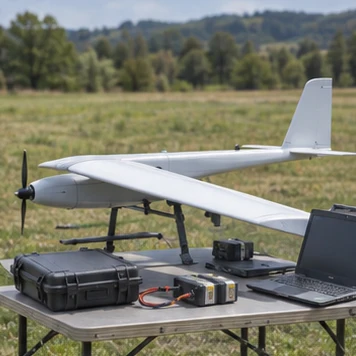
Fixed-wing
What to Measure on a Fixed-Wing Cruise Pass
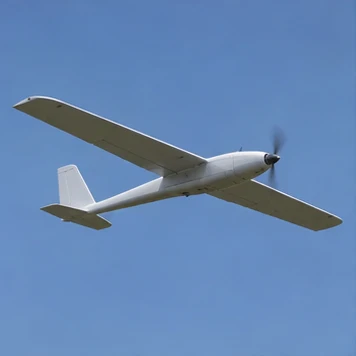
A useful cruise pass gives the reviewer a clear observation window. Decide where the recorded segment starts and ends, what the aircraft should be doing during that window and what will count as a usable run. Keep launch, turns and recovery in the flight record so they can be distinguished during review.
NASA Glenn explains steady cruise by looking at the balance of lift, weight, thrust and drag. A field team can use that distinction to interpret its evidence. A clip taken during a climb or turn can answer a different question from one taken during a steady pass.
Before flying, agree which records belong together. The flight log, observer notes and imagery should use a common time reference or a clear run identifier. Record the payload configuration and environmental conditions so changes between passes can be seen in the review. An interrupted run is worth retaining with its reason clearly recorded.
At the end of the day, select the runs that meet the brief and put them next to the original criterion. State which observations were repeatable and what remains uncertain. That gives the next crew a much clearer starting point than a highlight reel or a single number averaged across unlike phases of flight.