VTOL
How to Review a VTOL Flight Log After a Trial
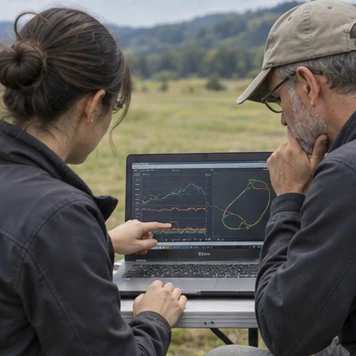
Start the review with the test brief and the run identifiers. A flight log is easier to interpret when the team can tell which configuration produced it, what the crew was asked to observe and whether anything changed on site. Keep original files and build a separate review copy for notes.
Group the record by flight phase. Identify takeoff, transition, forward flight and recovery where the evidence supports those labels. NASA’s GL-10 flight data report is an example of documenting a research aircraft’s behavior as it moved between hover and forward flight. Use the phases as an organizing tool for your own observations.
Pair the log with any video and observer notes using timestamps or run labels. If two records cannot be aligned precisely, note the uncertainty before drawing conclusions. Keep repeated runs together and flag configuration or environmental differences that could affect the comparison.
Finish with a decision log. For each question in the brief, state what the available evidence supports, which run shows it and whether a follow-up is needed. Include the expected output of the follow-up so the next flight has a concrete purpose. This preserves the reasoning behind the decision even when another crew carries out the next trial.